Jewellery Settling Tank About
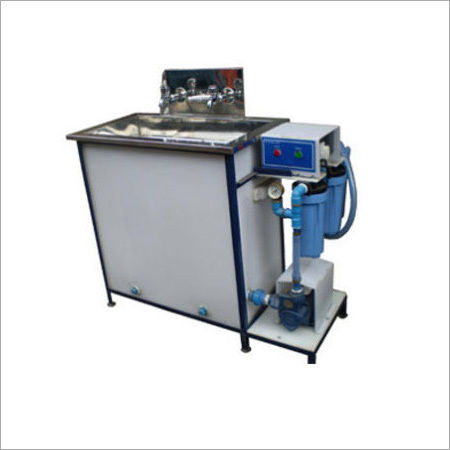
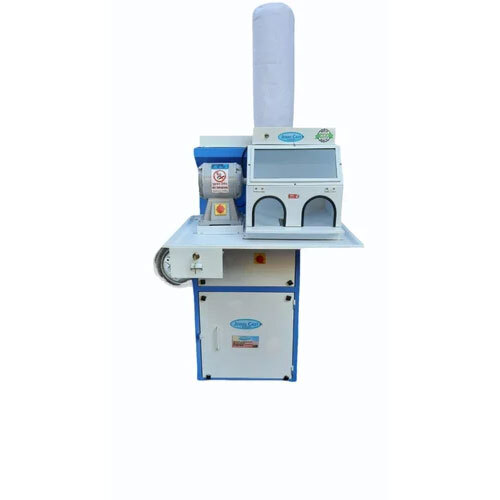
PP Settling Tank that is well assembled with fully stainless steel 304 made Sink, 2 water tap, 230V AC power supply, and 30" X 14" X 30" tank size. This type of machine can filer around 5 to 10 micron by means of its advanced filtration process. Equipped with water level controlling and pumping system, it is utilized for cleaning jewellery and storage the waste materials. Easy to operate and zero maintenance, every piece of PP Settling Tank is offered at Rs. 42,000 in market.
Technical Specifications
|
Filtration
|
5 Micron 10 Micron
|
|
Water Tap
|
2
|
|
Tank Size
|
30 Inch X 14 Inch X 30 Inch
|
|
Sink
|
Fully SS 304
|
Efficient Multi-Compartment DesignThe settling tanks chamber layout maximizes sedimentation efficiency, allowing for optimal separation and collection of precious metal residues. Its horizontal orientation provides a spacious settling area, enhancing the recovery rate and minimizing loss. This design is particularly useful for jewellery workshops that generate significant dust during production.
Superior Durability and SafetyConstructed from anti-corrosive polished stainless steel, the tank ensures longevity and safe handling of both acidic and alkaline solutions. The robust structure (46 mm thickness) and floor-mounted configuration provide stability, while high corrosion resistance guarantees dependable performance even under harsh industrial conditions.
Ease of Operation and MaintenanceMobility is enhanced with castor wheels, and the removable tray allows for effortless batch cleaning. The top opening lid grants easy access for sludge removal and tank maintenance. Manual measurement and analogue level display make the system user-friendly, requiring no specialized training or complex automation.
FAQs of Jewellery Settling Tank:
Q: How does the jewellery settling tank achieve up to 97% metal recovery?
A: The tank uses a multi-compartment chamber design to enhance sedimentation efficiency, allowing fine metal particles to settle and be collected from precious metal residues in batch operations. This design helps maximize metal recovery from workshop waste streams.
Q: What types of solutions can be processed in the settling tank?
A: This tank is highly resistant to corrosion and is suitable for both acidic and alkaline solutions commonly generated during jewellery manufacturing, ensuring versatile application without risk of damage.
Q: When should the removable tray be cleaned or emptied?
A: The tray should be removed and cleaned after each batch processing cycle, or whenever the tanks side-mounted analogue level indicator shows a significant accumulation of sludge, to maintain efficient operation.
Q: Where is the best place to install the settling tank in a workshop?
A: It is best to install the tank on the workshop floor near areas where dust and residues are generated. Its castor wheels provide mobility, allowing it to be repositioned as needed for maximum efficiency and convenience.
Q: What is the process of operating the tank for sedimentation?
A: To operate, fill the tank through the inlet with the process solution, allow sedimentation for 612 hours, check sludge levels via the analogue indicator, and, once complete, drain the supernatant via the outlet and access the settled sludge through the removable tray and top opening lid.
Q: What are the benefits of the tanks stainless steel construction?
A: Stainless steel provides high corrosion resistance, structural durability, and a polished anti-corrosive surface, making the tank suitable for long-term usage and easy maintenance even when handling harsh chemicals.
Q: How is manual sedimentation volume measured in this system?
A: The sedimentation volume is measured manually by inspecting the amount of sludge collected in the removable tray after each batch cycle, aided by the level indicator mounted on the tanks side.

 Send Inquiry



 Send Inquiry


 Send Inquiry


